Español
 Français
 Deutsch
 lingua italiana
 Polski
 Norsk språk
 Portugues
 العربية



Low e tempered insulated glass
Thickness: single glass thick is 4-12mm, spacer thick can be 6mm, 9mm, 12mm, 15mm etc,
Size: Customized
Color: Customized
Spacer filled: dry air, argon
Insulated Glass Description
Insulating glass is consists of multiple pieces of glass separated by spacers made of either metal, such as aluminum, or structural foam. The space between the glass is filled with air or argon. Insulating glass is often abbreviated IG and is sometimes called double-glazed or double-pane glass. As technology evolves, triple-paned or quadruple-paned glass is also achieve as well.
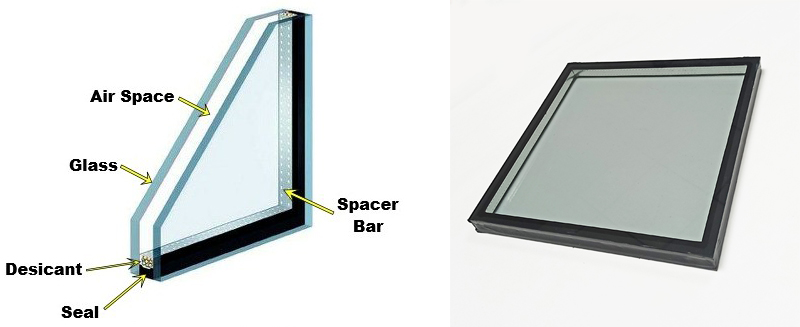
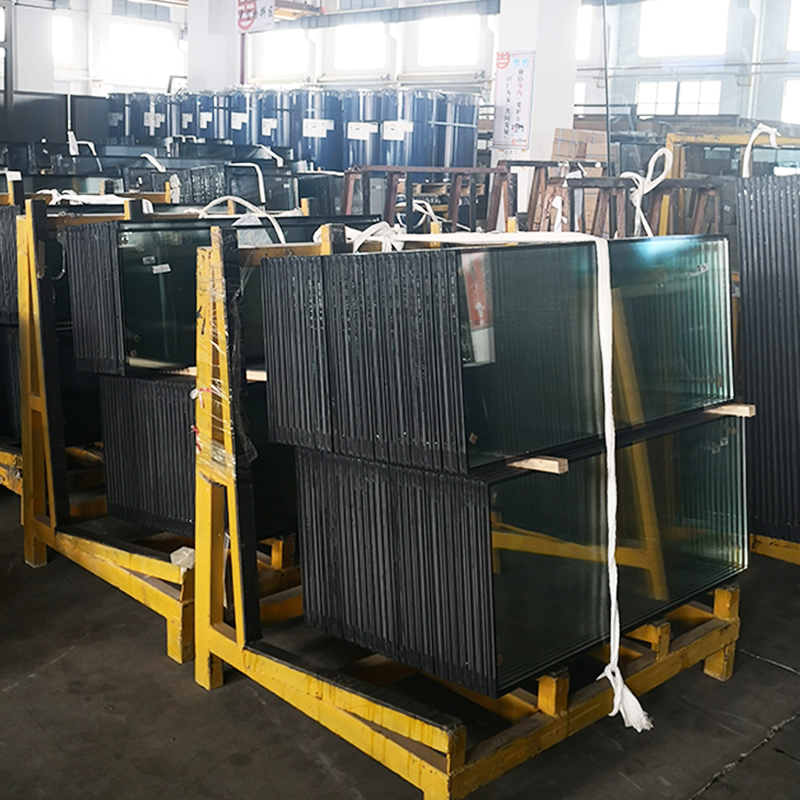
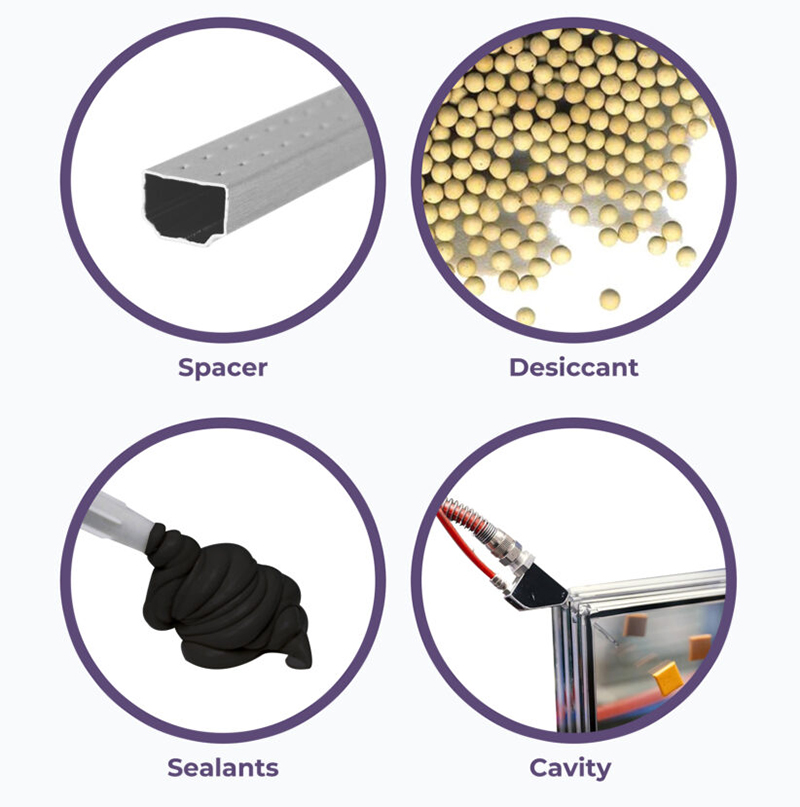
Components of Insulated Glass
Desiccant: The presence of moisture fogs up the surface of glass and results in loss of translucency. Desiccant is the drying agent used in an insulating glass unit whose purpose is to remove humidity and moisture present in between the layers of glass.
Spacer: Purpose of spacer is to provide a fixed gap between two layers of glass and is usually composed of aluminum or thermoplastic material.
Cavity: The separation of two panes of glass by air or gas-filled cavity in between gives insulated glass its insulation characteristics. Air most commonly used in cavity of double glazing glass however noble gases such as argon function more efficiently as cavity filler.
Sealants: Sealants are an essential component of insulated glass whose purpose is to make sure the insulated air doesn’t escape from the cavity. Butyl sealant is commonly used double glazing sealant which restricts the escape of insulting gas and also blocks the ingress of atmospheric air, moisture, and humidity. In addition to butyl sealant, a secondary sealant is also used to enhance the structural integrity of the overall unit.
Insulated Glass Advantages
It’s Energy Efficient: Double glazing glass has natural thermal insulation properties that regulate the indoor temperature and helps in energy conservation. Furthermore, Low-E coating can also be applied to the panes of glass to augment the energy conservation levels.
Strong and Secure Option: The strength and durability of tempered double glazing glass are among its most notable properties and results in achieving higher standards of safety. Insulating glass units are strong, durable and hard to break.
Helps in Noise Reduction: The presence of air space or gas-filled cavity in between two panes of glass provides better sound insulation. Insulated glass is an ideal window and door material which significantly helps in counteracting noise pollution.
Make Indoor Environment Cozy and Comfortable: Blocking the sun’s heat makes the indoor pleasant during the hot days of the summer. Similarly, this glass also helps in making the indoor cozy and comfortable in winter by restricting the outflow of heat.
Insulated Glass Applications
Window and door: The outdoor windows, and doors require to be strong, resilient, and durable to counteract the forces of nature. Insulated glass is the perfect material choice while ordinary glass fails to sustain the wind forces and weather uncertainties and is an unsafe material choice for outdoor applications.
Building facade: During the summer, the glass blocks the heat of the sun from entering into the interior space and in winter, the glass blocks the indoor heat from escaping outside.
Storefronts: Glass storefront and windows greatly help in attracting the attention of passersby. The transparency of glass make it perfect for use as a storefront material. Insulated glass is widely used as a storefront glass because of its additional protection benefits due to multiple layers of glass.
Glass roof and skylight: In tropical areas, insulating glass units are most commonly used in residential and commercial glass sky roofs. These contemporary glass help regulate the temperature of the indoors during both summer and winter seasons.
Office partition wall: Double glazing glass helps in the development of a calm and serene indoor atmosphere. Provide a comfortable and efficient working environment.

Send Message
Related Products